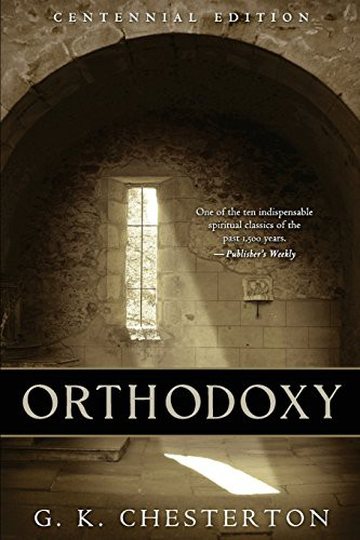
Key Information
- Author: G.K. Chesterton
- Published: 1908
- Read: Feb to Mar 2025
- Topics: Christianity, Apologetics, Wonder, Tradition
Buy on AmazonAmazon links are affiliate links.
Core Message
Chesterton set out to describe the philosophy he had worked out for himself, then found that it was already Christianity. He compares himself to an English yachtsman who lands on what he takes to be a new island, plants his flag, and discovers he has come back to England.
The madman is not the man who has lost his reason. The madman is the man who has lost everything except his reason.
- G.K. Chesterton, Orthodoxy
Key Ideas
Limits make creativity possible
A sculptor does not resent that clay is one color, and a painter does not resent that the canvas is flat. The limit is what makes the work a work. I liked this a lot. Without boundaries, life can drift into meaninglessness.
Marriage was the example I kept coming back to. It carries weight because it is sacred and fixed. Take away the permanence and you take away what made it worth anything.
The madman and the logician
Chesterton argues that the dangerous person is the one who has reduced everything to a single tidy explanation. The madman can explain everything, and that is the trouble. He has kept his reason and lost the rest of what makes a person sane: humor, humility, and a feel for mystery.
The ethics of Elfland
Fairy tales taught him that the world is a gift with conditions attached. Things are good, and they are good because you keep to the rules of the story. Gratitude and wonder follow from that, and he treats them as the right response to existing at all.
Tradition as the democracy of the dead
Tradition means giving votes to the most obscure of all classes, our ancestors. It is the democracy of the dead.
- G.K. Chesterton, Orthodoxy
The idea is that the opinions of people who lived before us deserve a seat at the table. The fact that a belief is old counts as evidence for it, not against it.
Connection to Rod Dreher
I kept hearing Dreher in these pages. Both writers argue that modernity's urge to master and explain everything has cost us our sense of wonder. Chesterton makes the case with wit and Dreher makes it with a more personal ache, but they land in the same place.
Key Takeaways
- Boundaries are what make a creative or moral life possible
- Wonder and gratitude are the sane response to a world nobody earned
- Total explanations are suspicious, and the mind that needs one is out of balance
- Old beliefs get a vote, because they survived many generations of testing